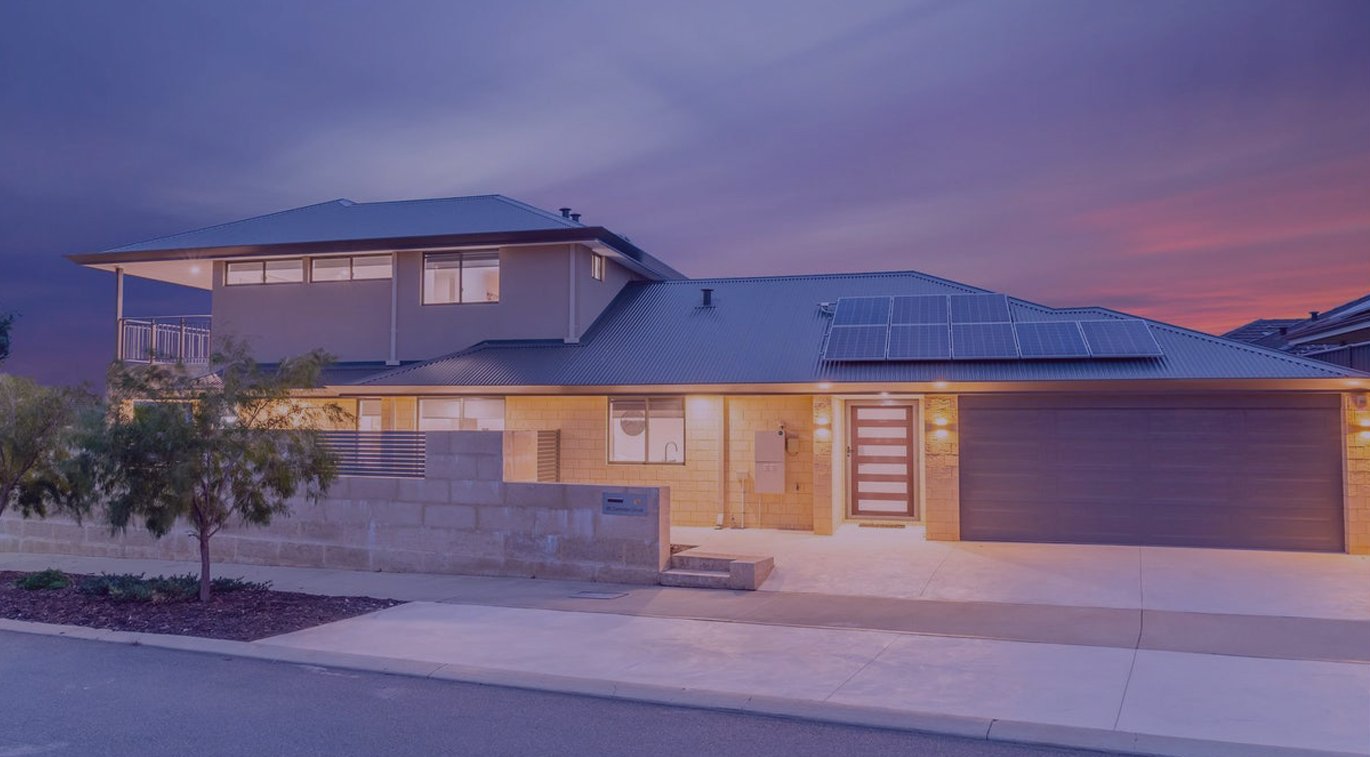

Renting Out Your Property Frequently Asked Questions
Deciding to rent out a property can mark the beginning of an exciting new stage in your property journey. You may have purchased a home specifically as an investment, be relocating and considering renting out the family home, or have decided that holding onto an existing property makes more sense than selling it.
Whatever brings you to the rental market, one of the first questions is usually the same:
Where do I start?
-
Renting out a property successfully starts with preparation.
Before advertising, it's important to understand what your property could realistically achieve in the current rental market and whether there are maintenance, presentation or other matters that should be addressed first.
A professional property manager can walk through the property with you, identify areas that may require attention and provide recommendations about presentation and rental pricing.
You'll also need to consider matters such as landlord insurance and the documentation required to establish the tenancy.
Taking the time to prepare properly can help attract suitable applicants, reduce problems after move-in and give both you and your future tenant a much better start to the tenancy.
-
There isn't a single timeframe that applies to every rental property.
If the property is already well maintained and presented, preparing it for the rental market may be relatively straightforward.
If maintenance is outstanding, gardens require attention, painting is needed or the property requires substantial cleaning, it's generally better to address those matters before launching the advertising campaign.
Your property manager can help identify the most important priorities and establish a realistic timeline.
The objective shouldn't simply be to advertise as quickly as possible. It's to present the property properly so that when it does reach the market, it has the best opportunity to attract suitable tenants.
-
A rental appraisal is one of the most useful starting points when preparing to lease a property.
Your property manager can consider the property's location, size, condition, features, presentation and comparable rental properties, together with current tenant demand.
This provides a more informed basis for setting the weekly rent.
Pricing matters because asking too much can reduce enquiry and increase vacancy, while pricing below the market may unnecessarily reduce your rental income.
A professional appraisal doesn't guarantee an exact rental amount, as market conditions can change, but it provides valuable guidance for developing your leasing strategy.
-
Your current home can potentially become an investment property rather than being sold when your circumstances change.
This is common when homeowners relocate for work, purchase another property or want to retain their existing home as a longer-term asset.
The transition from owner-occupied home to rental property requires some planning.
You'll need to consider its rental value, presentation, maintenance, insurance and the practical requirements associated with becoming a landlord.
There may also be financial and taxation implications associated with changing the use of the property, so appropriate professional financial or taxation advice may be worthwhile.
From a property management perspective, Bespoke Realty WA can help you understand the rental process and prepare the home for its first tenancy.
-
Cleanliness plays an important role in both presentation and the beginning of the tenancy.
Prospective tenants are more likely to respond positively to a property that feels clean and cared for, and providing the property in a good condition establishes expectations for how it should be maintained.
Depending on the property's condition, professional cleaning may be beneficial before photography, inspections or tenant occupation.
The appropriate approach will depend on the property, and your property manager can provide guidance during the preparation process.
-
Launching a property with known maintenance problems can create an unnecessarily poor first impression.
Prospective tenants may notice leaking taps, damaged fixtures, broken doors, deteriorated paint or other visible issues during inspections.
Addressing maintenance before advertising can improve presentation and reduce the likelihood of multiple repair requests immediately after the tenancy begins.
It's also an opportunity to identify larger issues that should be dealt with before occupation.
A pre-leasing assessment with your property manager can help prioritise what genuinely needs attention rather than spending money indiscriminately.
-
There isn't a universal answer to whether a rental property should be furnished.
The decision should consider the type of property, location, expected length of tenancy and the tenants the home is likely to attract.
Furnished properties may appeal to certain relocating or short-to-medium-term tenants, while many longer-term tenants already own furniture and prefer the flexibility of an unfurnished home.
Furnishings also introduce additional items that need to be documented, maintained and eventually replaced.
Before deciding, consider whether furnishing the property genuinely improves its appeal within your particular rental market.
-
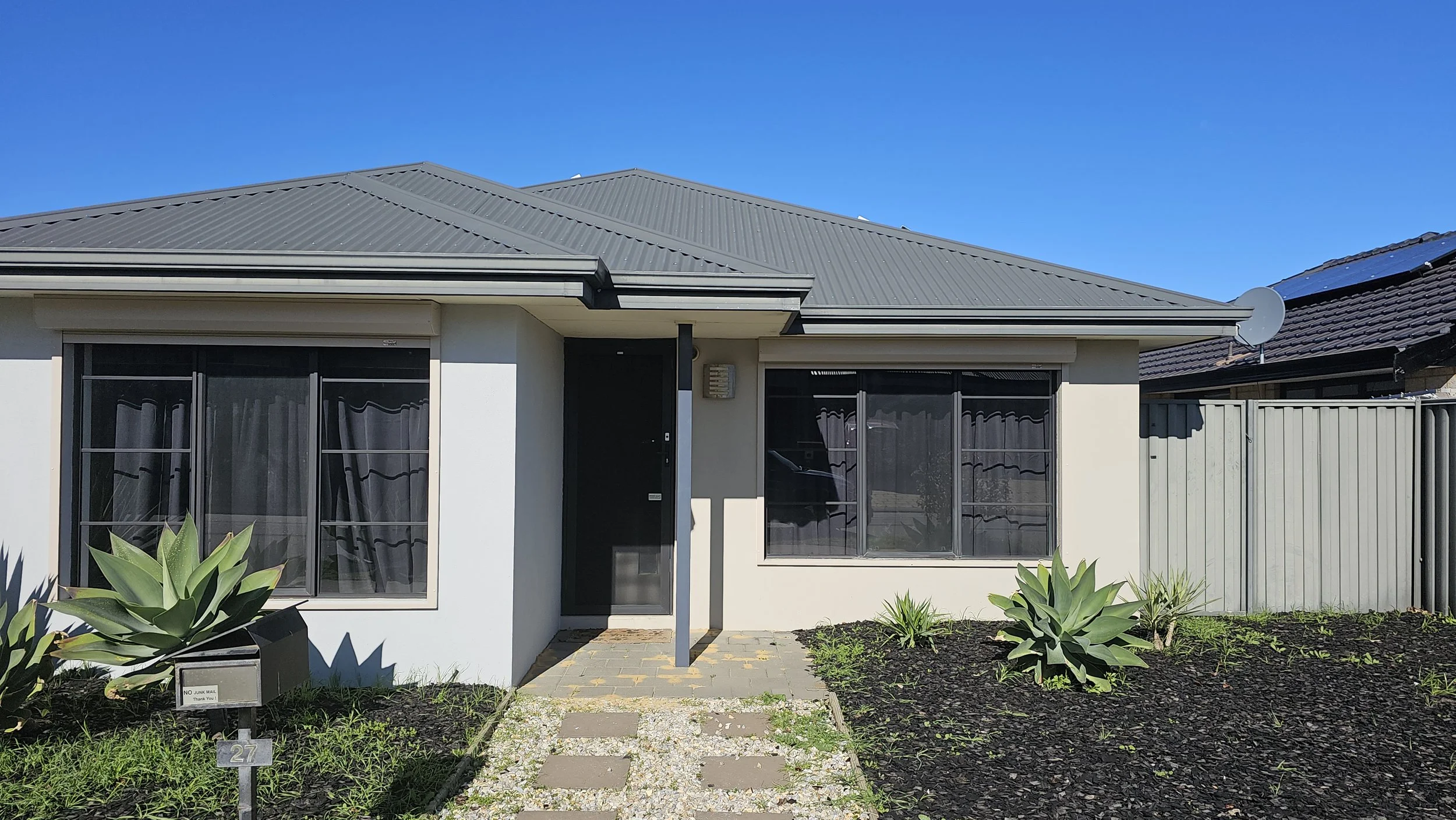
Setting weekly rent should be based on current market evidence rather than simply choosing a desired return.
Your property manager can review comparable properties, recent leasing activity, current competition and the individual characteristics of your property.
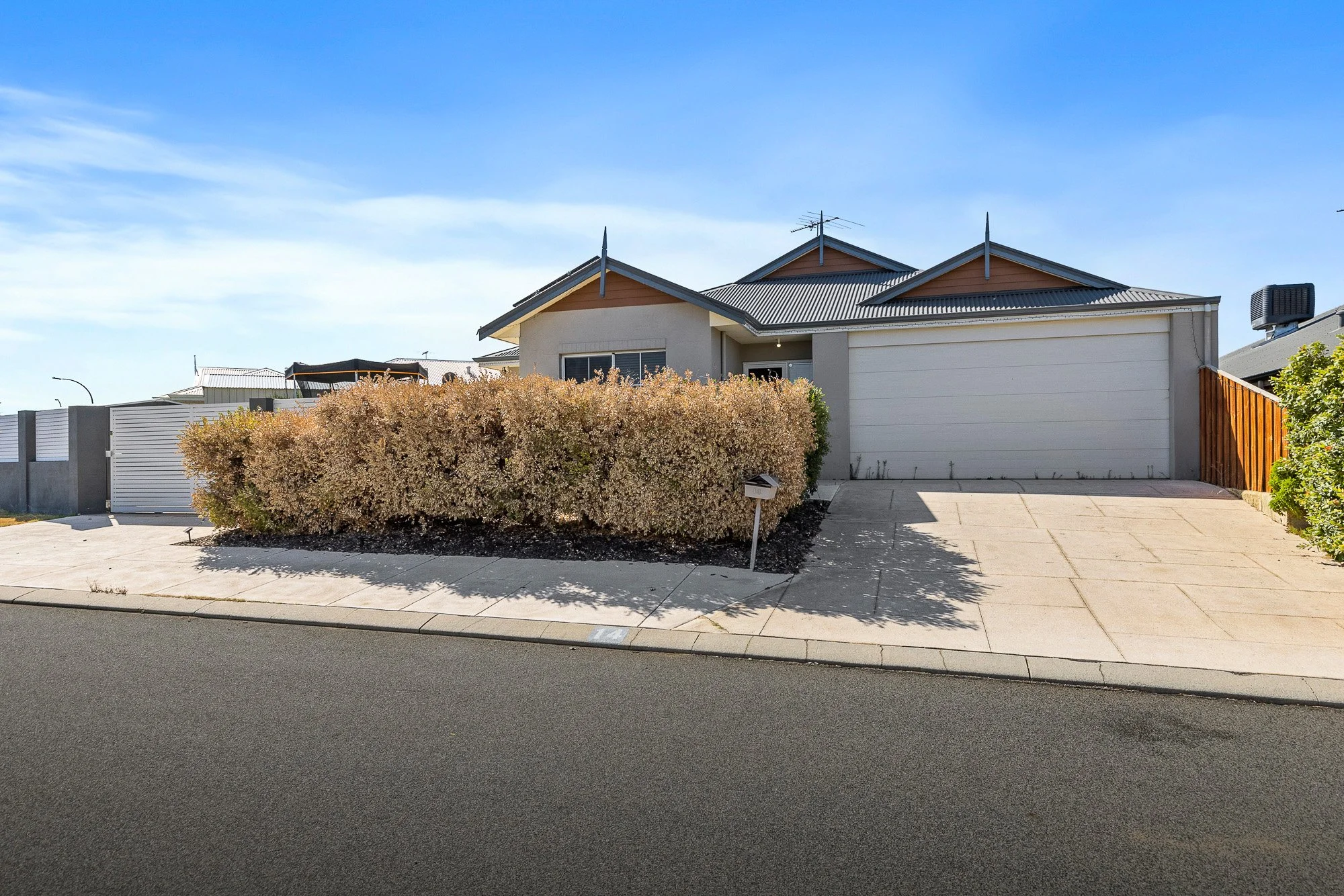
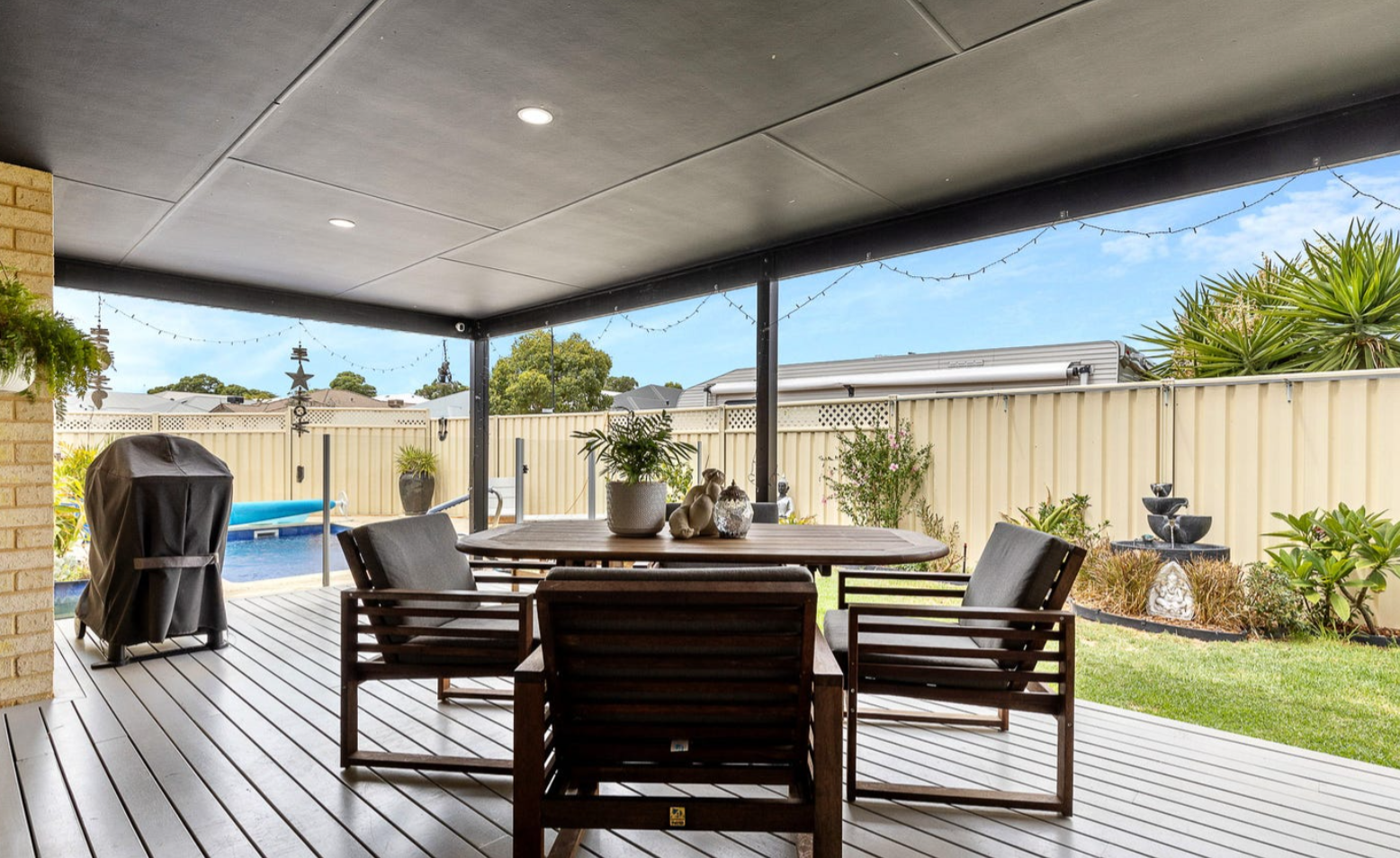
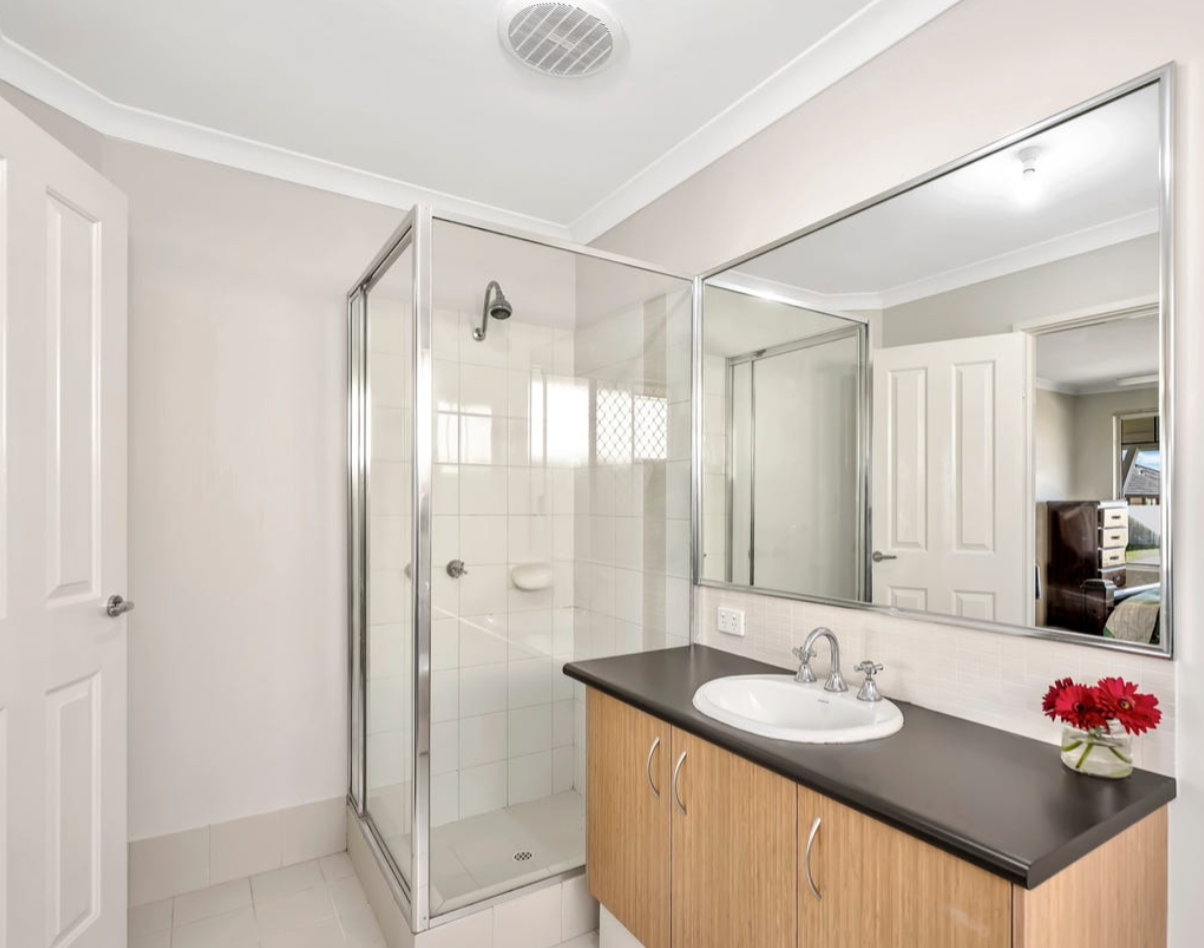
Features such as bedrooms, bathrooms, parking, outdoor areas, air-conditioning, presentation and location can all influence tenant demand.
The objective is to position your property competitively enough to generate quality enquiry while working towards the strongest sustainable rental return.
-
It's understandable to want the highest possible rent, but rental return should be considered across the entire year.
If an ambitious asking price causes the property to remain vacant, the lost rent can quickly outweigh the benefit of achieving a slightly higher weekly amount.
For example, several weeks of vacancy can represent a significant amount of lost income.
A strategic rental price aims to generate strong interest from suitable tenants while reflecting the property's genuine market value.
-
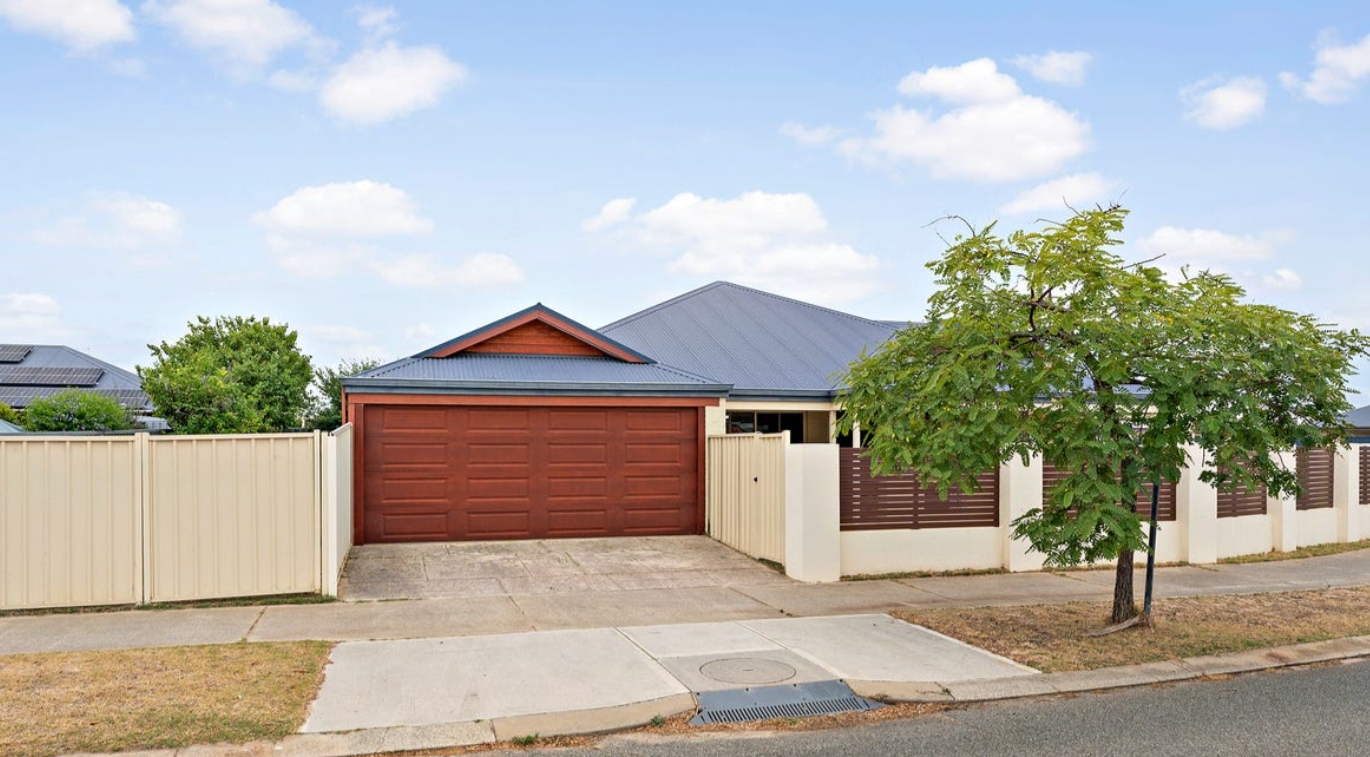
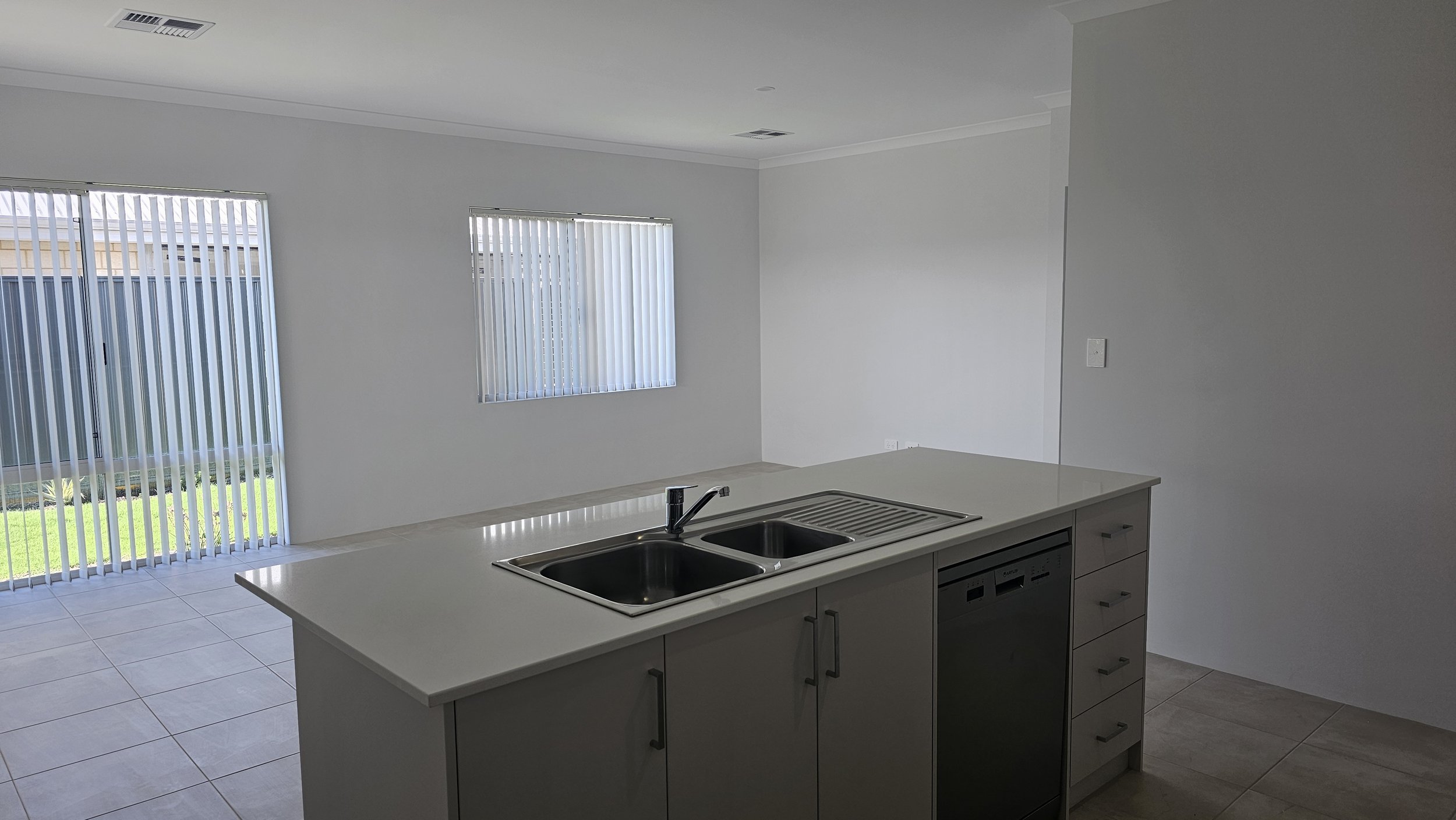
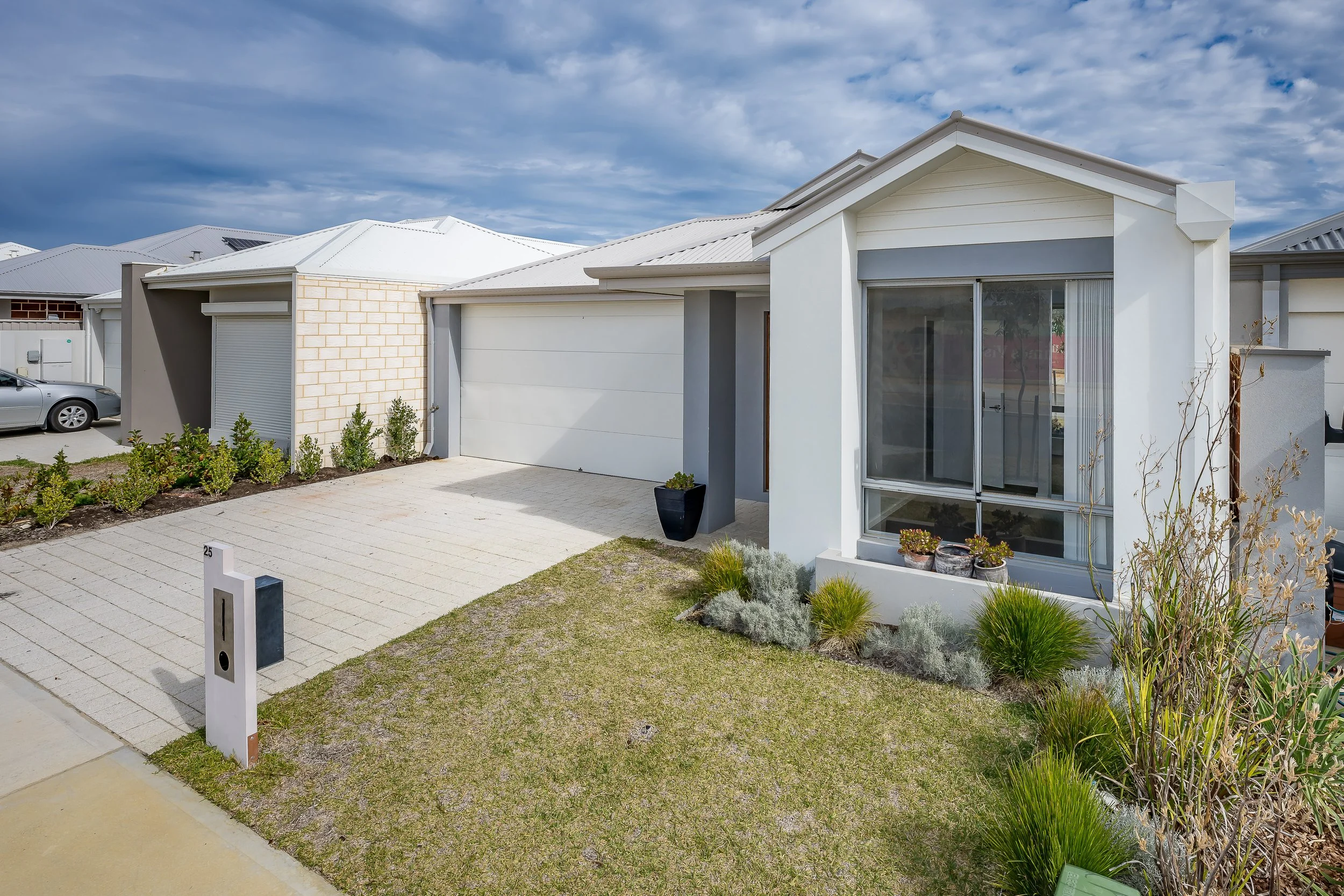
Your advertising images are often the first opportunity to capture a prospective tenant's attention.
Good photography can showcase natural light, room proportions, presentation and the property's strongest features far more effectively than rushed or poorly composed images.
Professional presentation doesn't change the property itself, but it can help the right people notice it.
Strong photography combined with accurate advertising copy helps position the property effectively within a competitive rental market.
-
Effective rental advertising should help prospective tenants quickly determine whether the property suits their needs.
That means highlighting practical features such as bedrooms, bathrooms, parking, storage, outdoor areas, heating or cooling and other relevant amenities.
Location can also be important, including access to schools, shops, transport and local facilities where relevant.
The description should be informative and appealing without exaggerating the property.
Combined with quality photography, accurate advertising helps attract applicants who are genuinely suited to the home.
-
Some properties attract applications quickly, while others may take longer depending on market conditions.
Rather than focusing on an arbitrary number of days, it's useful to monitor the response once advertising begins.
Strong enquiry and inspection attendance usually indicate the property is positioned appropriately.
Limited enquiry may suggest the rental price, presentation or marketing strategy needs to be reviewed.
Your property manager should monitor the campaign and provide feedback rather than simply leaving an underperforming advertisement unchanged.
-
Tenant selection is one of the most important stages of leasing a property.
The purpose of screening is to assess the information provided by applicants and develop a clearer understanding of their suitability for the tenancy.
This may involve confirming employment or income information, reviewing rental history and contacting appropriate references.
Applications should be assessed consistently and appropriately rather than based on assumptions.
A thorough process helps landlords make a more informed decision about who will occupy their property.
-
One of the benefits of professional property management is having an experienced person undertake the screening process and present suitable applications clearly.
Your property manager can explain the strengths of applications, answer your questions and provide recommendations based on the available information.
Tenant selection must also be handled consistently and in accordance with applicable laws and requirements.
This gives landlords professional support while allowing appropriate involvement in an important decision about their property.
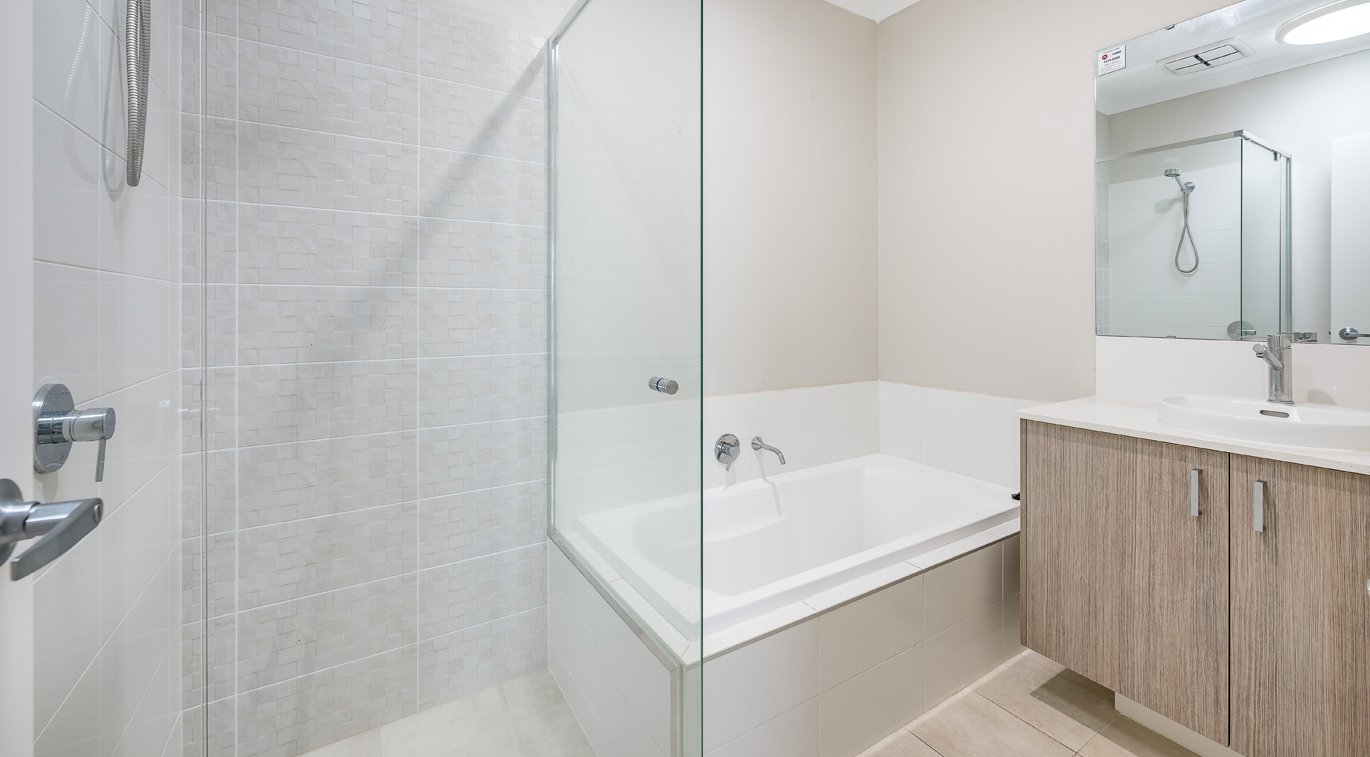
-
Tenant approval is an important milestone, but several steps remain before occupation.
The property manager will coordinate the relevant documentation and explain the requirements to the successful applicant.
The property also needs to be ready for handover, and its condition should be properly documented before the tenancy commences.
Handling this stage carefully helps ensure both landlord and tenant understand the arrangements and begin the tenancy with clear expectations.
-
The residential tenancy agreement provides the formal framework for the tenancy.
It establishes important details such as who is renting the property, the agreed rent, the tenancy period and applicable terms and conditions.
Because the agreement creates obligations for both landlord and tenant, it should be prepared correctly and understood by the parties before the tenancy begins.
Professional property management helps ensure the documentation process is handled consistently and appropriately.
-
The Property Condition Report is an important piece of tenancy documentation because it establishes a detailed record of how the property presented when the tenancy commenced.
It can record the condition of rooms, fixtures, fittings and other relevant areas of the property.
Accurate condition reporting creates clarity for both parties and provides a useful reference later in the tenancy, particularly when comparing the property's condition at the end.
For landlords, comprehensive documentation is an important part of protecting the property and maintaining good records.
-
The beginning of a tenancy helps set expectations for the relationship that follows.
When tenants move into a clean, well-maintained home and receive clear information about the tenancy, it creates confidence from the outset.
Good communication is equally important.
Questions will naturally arise during the first days or weeks, particularly as tenants become familiar with the property.
Responding professionally and addressing legitimate concerns promptly helps establish a respectful working relationship between tenant, property manager and landlord.
-
Successfully finding a tenant is only the first stage of the ongoing property management relationship.
After move-in, the property manager monitors the tenancy, communicates with tenants, coordinates maintenance and manages the administrative requirements associated with the property.
Routine inspections and lease milestones also become part of the management cycle.
The objective is to keep the tenancy running smoothly while ensuring the landlord remains informed about important matters affecting the property.
-
Having a property manager provides a clear communication channel throughout the tenancy.
Tenants know who to contact with maintenance requests and questions, while landlords receive relevant updates and recommendations through their property manager.
This can be particularly valuable when difficult conversations or complex situations arise because communication can remain professional and focused on the tenancy.
It also allows landlords to maintain appropriate involvement without managing every day-to-day interaction themselves.
-
You don't need to live near your investment property to manage it effectively when you have professional support locally.
For interstate or overseas owners, a property manager can coordinate tenant communication, maintenance, inspections and the everyday administration associated with the tenancy.
Important decisions can still be discussed with you wherever you are.
This provides owners with local representation while allowing them to remain informed about their investment without needing to manage practical issues from a distance.
-
Renting out your property is about much more than filling a vacancy.
You're entrusting someone with the management of an important financial asset and relying on them to represent you throughout the tenancy.
At Bespoke Realty WA, we believe property management should be personal and proactive.
That begins with understanding your property and your goals before it reaches the rental market. It continues through rental appraisal, preparation, marketing, tenant selection and tenancy establishment, and then into ongoing communication, inspections, maintenance and management.
Our aim is to create strong foundations from the beginning and provide property owners with confidence that their investment is receiving genuine attention throughout the entire rental journey.