
Good rental property maintenance is about much more than fixing something when it breaks.
For landlords, maintenance plays an important role in protecting the condition, appeal and long-term value of an investment property. For tenants, it helps ensure the property remains comfortable, functional and well cared for throughout their tenancy.
And for a property manager, maintenance is one of the most important areas where good communication,
sound judgement and proactive management come together.
At Bespoke Realty WA, we believe one of the most valuable approaches to maintenance is also one of the simplest:
identify and address problems early wherever possible.
Rental Property Maintenance Frequently Asked Questions
-
Rental property maintenance involves responsibilities on both sides of the tenancy.
Property owners have obligations relating to maintaining the property, while tenants are expected to take reasonable care of the home and notify their property manager when something needs attention.
The circumstances surrounding an issue can also matter. A repair resulting from normal deterioration may be treated differently from damage caused during the tenancy.
This is why maintenance issues should be assessed individually rather than assuming every repair automatically falls into the same category.
With a professionally managed property, the property manager helps coordinate this process, communicate with both parties and determine the appropriate next steps.
-
Maintenance should be considered part of owning an investment property rather than simply an unexpected expense.
Properties naturally experience wear, ageing and exposure to the elements. Fixtures and appliances also have finite lifespans.
Addressing necessary maintenance when it arises can help prevent deterioration and keep the property functional and appealing to tenants.
Good maintenance can also support tenant retention. Tenants are more likely to feel comfortable in a home where legitimate repair concerns are taken seriously and the property is clearly being cared for.
Over the longer term, proactive maintenance forms an important part of protecting the owner's asset.
-
Not all maintenance needs to begin with something breaking.
Preventative maintenance takes a more proactive approach by monitoring the condition of the property and addressing issues when appropriate.
This might involve observing deterioration during routine inspections, responding to early signs reported by tenants or considering the age and condition of important property components.
The aim isn't to replace perfectly functional items unnecessarily. It's to recognise that acting earlier can sometimes prevent greater disruption or expense later.
For landlords, this can make property maintenance more planned and less reactive.
-
Even a well-built and carefully maintained property will require attention over its lifetime.
Taps wear, appliances eventually fail, paint deteriorates and external elements are exposed to weather and normal ageing.
Maintenance shouldn't therefore automatically be viewed as evidence that something has gone wrong with the investment.
The more useful question is whether maintenance is being identified and managed appropriately.
Allowing for ongoing property maintenance within your investment planning can also make repair costs less surprising when they arise.
-
Property value isn't determined by maintenance alone, but allowing a home to deteriorate unnecessarily can affect its condition and appeal over time.
Small unresolved problems can sometimes contribute to larger issues, while neglected presentation may also reduce the property's attractiveness to future tenants.
Maintaining the property doesn't mean constantly upgrading it or undertaking unnecessary renovations.
It means protecting what you already own by addressing legitimate maintenance and making sensible decisions about the property's condition over time.
-
Clear information can make maintenance much easier to assess.
When reporting a problem, explain what has happened, where the issue is located, when you first noticed it and whether the situation appears to be changing.
Photographs or video may also be useful for some issues.
Tenants shouldn't feel they need to diagnose the technical cause themselves. The important thing is to accurately explain what they're experiencing.
The property manager can then determine what further information or action may be required.
-
Waiting for a routine inspection can mean a developing maintenance problem remains unresolved for weeks or months.
If something isn't functioning correctly, appears damaged or shows signs of deterioration, letting the property manager know promptly provides an opportunity for the matter to be assessed.
Early reporting is particularly important where delaying action could contribute to further property damage.
Routine inspections are useful for monitoring the property's overall condition, but they shouldn't replace ongoing tenant communication.
-
The exact process depends on the maintenance issue.
The property manager may first need additional information from the tenant. The landlord may need to be informed or provide approval, and a contractor may need to inspect the property before the cause or required repair can be confirmed.
For straightforward matters, the process may be relatively simple.
More complex problems can involve inspection, quotations, parts or multiple trades.
The property manager's role is to coordinate the process and maintain communication between the relevant parties.
-
Landlords understandably want visibility over expenditure on their investment property.
For routine maintenance, the property manager may communicate the issue and seek appropriate instructions or approval according to the management arrangements in place.
Different considerations can apply where a situation requires urgent action.
A good property management relationship includes clear expectations about how maintenance decisions will be handled so the property manager knows when owner involvement is required and the landlord understands how issues will be communicated.
-
Not every broken or inconvenient item is classified as an urgent repair.
Western Australian residential tenancy requirements distinguish certain urgent repairs from routine maintenance, and the appropriate response depends on the nature of the problem.
Because the legal definition and required procedures matter, tenants should follow the urgent-maintenance instructions supplied for their tenancy and report potentially urgent issues immediately.
This FAQ should be reviewed against current WA Consumer Protection guidance before publication and whenever relevant tenancy requirements change.
-
Tenants should know how urgent maintenance is handled before an emergency occurs.
The appropriate procedure may differ from the process used for normal maintenance requests, particularly outside normal business hours.
Keep the emergency maintenance information supplied with your tenancy documentation accessible and use the nominated contact procedure where applicable.
Where there is an immediate danger to people or property, appropriate emergency services may also be required.
-
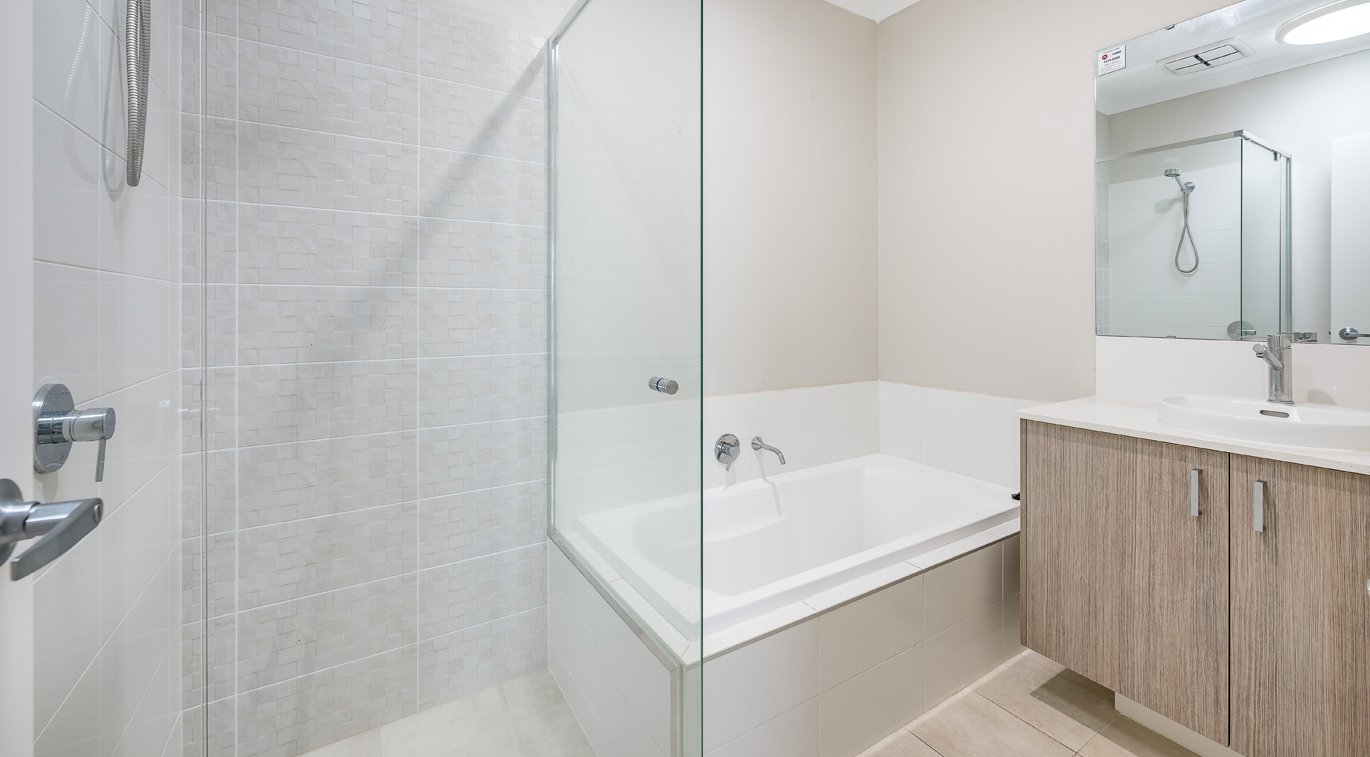
Water problems shouldn't simply be left until the next inspection.
Even a relatively small leak can potentially contribute to damage if it continues over time.
Provide the property manager with clear information about where the water appears to be coming from, how significant the leak is and whether it is actively causing damage.
Photographs can be particularly useful.
If the situation appears serious or urgent, follow the appropriate urgent-repair procedure rather than relying solely on a routine maintenance request.
-
Although landlords have responsibilities for maintaining the property, tenants also play an important role in looking after the home during their tenancy.
This includes reasonable day-to-day care and avoiding actions that could unnecessarily damage the property.
The precise responsibility for an individual issue depends on the circumstances and applicable tenancy requirements.
If you're uncertain whether something is your responsibility, speak with your property manager rather than ignoring the problem or undertaking significant work without approval.
-
Determining responsibility requires understanding what happened.
Normal deterioration associated with ordinary use isn't necessarily the same as damage caused by an action, accident, misuse or neglect.
Documentation can be particularly important in these situations.
Property Condition Reports, inspection records, photographs, maintenance history and communication may all help establish the circumstances.
Rather than assuming responsibility immediately, the matter should be assessed based on the evidence and applicable tenancy requirements.
-
This distinction becomes particularly important when assessing property condition during and at the end of a tenancy.
Flooring, paint, fixtures and other components naturally change as they age and are used.
That normal deterioration shouldn't automatically be treated in the same way as actual damage.
However, every situation is different.
The age and original condition of an item, how long the tenant has occupied the property and what actually occurred may all be relevant when assessing the issue.
-
Organising repairs independently can create complications around approval, responsibility, contractor selection and payment.
For routine maintenance, tenants should report the problem through the established process and allow the property manager to coordinate the appropriate response.
Different procedures may apply to certain urgent repairs under Western Australian tenancy requirements.
Tenants should therefore understand the urgent-repair process provided for their tenancy rather than assuming they can engage any contractor and automatically recover the cost.
-
Tenants remain important for reporting issues between inspections, but routine inspections provide another layer of visibility over the property.
A property manager may observe deterioration, signs of wear or another concern that should be investigated.
The inspection doesn't necessarily diagnose the technical cause of a problem—that may require an appropriately qualified contractor.
Instead, it helps identify matters that deserve attention and keeps landlords better informed about the general condition of their investment.
-
Yes. Because all properties require repairs and upkeep over time, allowing for maintenance costs is an important part of responsible investment property planning.
Maintenance is rarely perfectly predictable.Some years may involve relatively little expenditure, while others may include appliance replacement, larger repairs or several unrelated maintenance issues.
Creating financial capacity for ongoing maintenance can help owners make necessary decisions without every repair becoming an unexpected financial shock.
The appropriate budget will depend on factors such as property age, condition and features.
For specific financial or taxation advice about investment-property expenditure, owners should consult an appropriately qualified adviser.
-
Self-managing maintenance can involve tenant calls, diagnosing incomplete information, sourcing contractors, obtaining quotes, arranging access, approving work and following up when a repair isn't completed as expected.
For landlords who live away from the property, these practical challenges can become even greater.
Professional management provides structure around the process.
The landlord still remains the property owner and an important decision-maker, but doesn't need to personally coordinate every maintenance interaction.
-
Bespoke Realty WA takes a proactive, communication-focused approach designed to address legitimate maintenance concerns while keeping landlords informed and protecting the property's long-term condition.
At Bespoke Realty WA, we don't see maintenance as simply passing messages between tenants, landlords and tradespeople.Our role is to help coordinate the entire process.
That means listening carefully when an issue is reported, gathering useful information, considering the appropriate next step, communicating with the property owner and coordinating contractors where required.
We also believe it's important to look beyond the immediate repair.
Where an issue may indicate developing deterioration, repeated maintenance or an opportunity for preventative action, that information can help owners make better long-term decisions about their property.
Ultimately, good maintenance management supports both sides of the tenancy: tenants have a home that is appropriately cared for, while landlords have greater confidence that their investment is being actively managed rather than simply reacted to when something goes wrong.