
Rental property inspections are an important part of professional property management, but they can sometimes be misunderstood by both landlords and tenants.
For a property owner, an inspection provides valuable visibility over an investment they may rarely see themselves. It helps build an ongoing picture of the property's condition, highlights maintenance concerns that may require attention and provides an opportunity to identify
changes that could become more significant over time.
For a tenant, an upcoming inspection can sometimes feel very different. There can be uncertainty about what the property manager is looking for, how the home should be presented and whether everyday signs of actually living in the property will be viewed negatively.
At Bespoke Realty WA, we believe a good inspection process should provide clarity for both sides of the tenancy.
Rental Property Inspections Frequently Asked Questions
-
Rental property inspections form part of the ongoing management and documentation of a tenancy.
Different inspections can occur at different stages. Condition documentation helps establish the property's starting point, routine inspections provide periodic visibility during the tenancy, and a final inspection helps assess its condition when the tenancy ends.
For landlords, inspections provide valuable information about an investment they may not regularly see themselves.
For tenants, inspections provide an opportunity to raise property concerns and demonstrate that the home is being reasonably cared for.
The objective should be to create a clearer understanding of the property's condition, not to unnecessarily intrude into the tenant's everyday life.
-
A rental property can change considerably over the course of a tenancy.
Fixtures age, external areas change, maintenance issues develop and everyday use naturally affects the property.
Inspections provide periodic opportunities to observe those changes.
They can also help identify something that may require further attention, particularly where a developing issue hasn't previously been reported.
Importantly, inspections don't replace tenant maintenance reporting or specialist assessments.
They're one component of a broader property management system designed to provide better visibility over the property.
-
The purpose of an inspection changes depending on where the tenant is in the rental journey.
At the beginning, condition documentation establishes an important record of the property before or around occupation.
During the tenancy, routine inspections provide opportunities to observe general property condition and identify matters requiring attention.
When the tenant vacates, a final inspection helps establish the property's ending condition in the context of the earlier records and tenancy history.
Together, these provide a much clearer picture than relying on a single inspection at the end.
-
For a professionally managed investment property, the property manager provides the central point of coordination for routine inspections.
This includes communicating with the tenant, attending or coordinating the inspection, documenting relevant observations and keeping the property owner appropriately informed.
Where something requiring further attention is observed, the property manager may also need to coordinate follow-up communication or maintenance.
This helps remove the need for landlords to personally manage each inspection themselves.
-
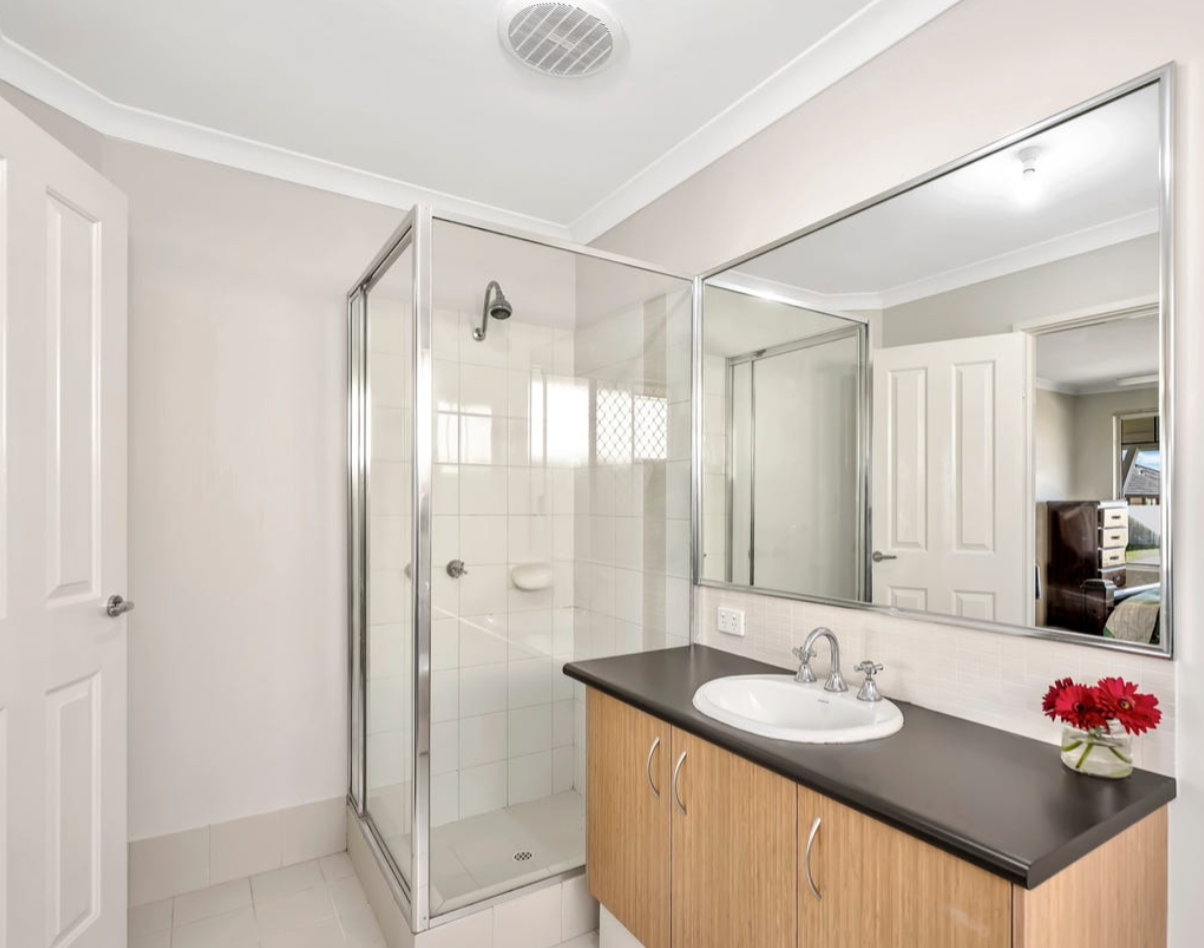
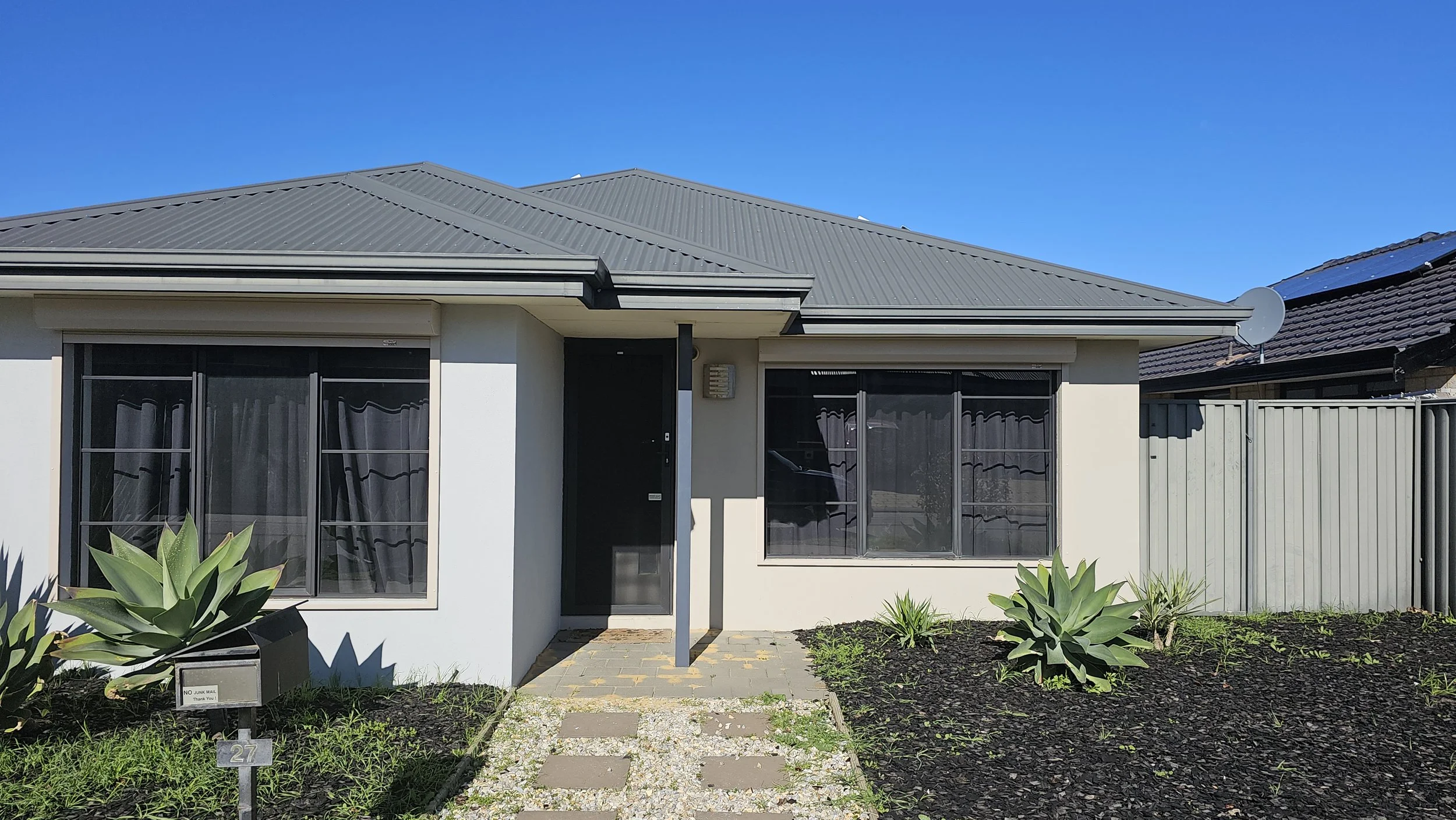
A routine inspection is an opportunity to observe how the property is presenting at that point in the tenancy.
The property manager may consider the general condition of internal and external areas, previously reported maintenance, visible deterioration and anything that appears to require further attention.
Relevant observations can then be documented and communicated.
It's important to remember that this isn't a detailed technical inspection of every building component.
Where something requires specialist investigation, an appropriate contractor may need to be engaged separately.
-
Routine inspections shouldn't come as a surprise.
The property manager should communicate the upcoming inspection in accordance with the notice requirements applying to the tenancy.
That gives tenants an opportunity to prepare the property, secure pets where necessary and raise any relevant maintenance concerns.
Because notice requirements are a legal detail that may be amended, the current WA requirements should be confirmed before publishing specific timeframes in evergreen Knowledge Centre content.
-
Not necessarily. Whether the tenant needs or wants to be present depends on the inspection arrangements and access procedures communicated for the tenancy.
Some tenants prefer to attend because they want to discuss something with the property manager.Others are comfortable for the inspection to proceed under the properly arranged access process.
The important thing is that access is handled appropriately and that any relevant instructions, such as pets, gates or areas requiring particular attention, are communicated beforehand.
If you're unsure about the arrangements for an upcoming Bespoke inspection, contact us before the inspection date.
-
There isn't one meaningful timeframe that applies to every property.
A smaller home with no particular concerns may differ significantly from a larger property with gardens, multiple external areas or several maintenance matters requiring observation.
The objective isn't to complete an inspection as quickly as possible.
It's to appropriately observe the property, document relevant information and identify anything requiring follow-up while respecting the tenant's home and time.
-
The purpose isn't to inspect someone's personal lifestyle.
The property manager is primarily interested in what's happening with the property itself.
This may include observing internal and external condition, previously reported maintenance, visible deterioration and anything that may require further attention.
What can reasonably be observed will depend on the property and circumstances.
An inspection should therefore be considered a useful property-management checkpoint rather than a technical examination of every component.
-
An inspection can sometimes reveal maintenance that hasn't previously been identified.
The property manager may document what they've observed and determine what should happen next.
Some issues can be relatively straightforward.
Others may require a tradesperson or specialist to determine the cause before an appropriate repair can be recommended.
The process then moves from inspection into maintenance management, which is why these two areas of property management are so closely connected.
-
Not every mark, defect or change in property condition automatically represents tenant damage.
Properties experience normal use, ageing and deterioration.
Where something appears to go beyond that, the property manager may need to document the issue, discuss the circumstances with the tenant and keep the landlord informed.
Previous condition records can also provide useful context.
The objective should be to understand what has happened rather than immediately assume responsibility without sufficient information.
-
A professionally managed inspection process should provide the landlord with relevant information about the property's condition and matters requiring attention.
One of the main benefits of routine inspections for landlords is visibility.Owners may not see their investment property regularly themselves, so inspection information helps them understand its general condition.
The property manager can communicate relevant observations, maintenance concerns and matters requiring decisions or follow-up.
The objective isn't simply to produce paperwork.
The information should help the landlord make better-informed decisions about their investment.
-
Photographs may form part of property condition documentation, but privacy and applicable tenancy requirements need to be respected.
Photographs can provide useful records of property condition and maintenance concerns.At the same time, a rental property contains a tenant's personal belongings and is their home.
Inspection photography should therefore have a legitimate property-management purpose and be handled appropriately.
Bespoke's inspection procedures should remain aligned with current Western Australian requirements and privacy considerations when photographs are taken, stored or shared.
-
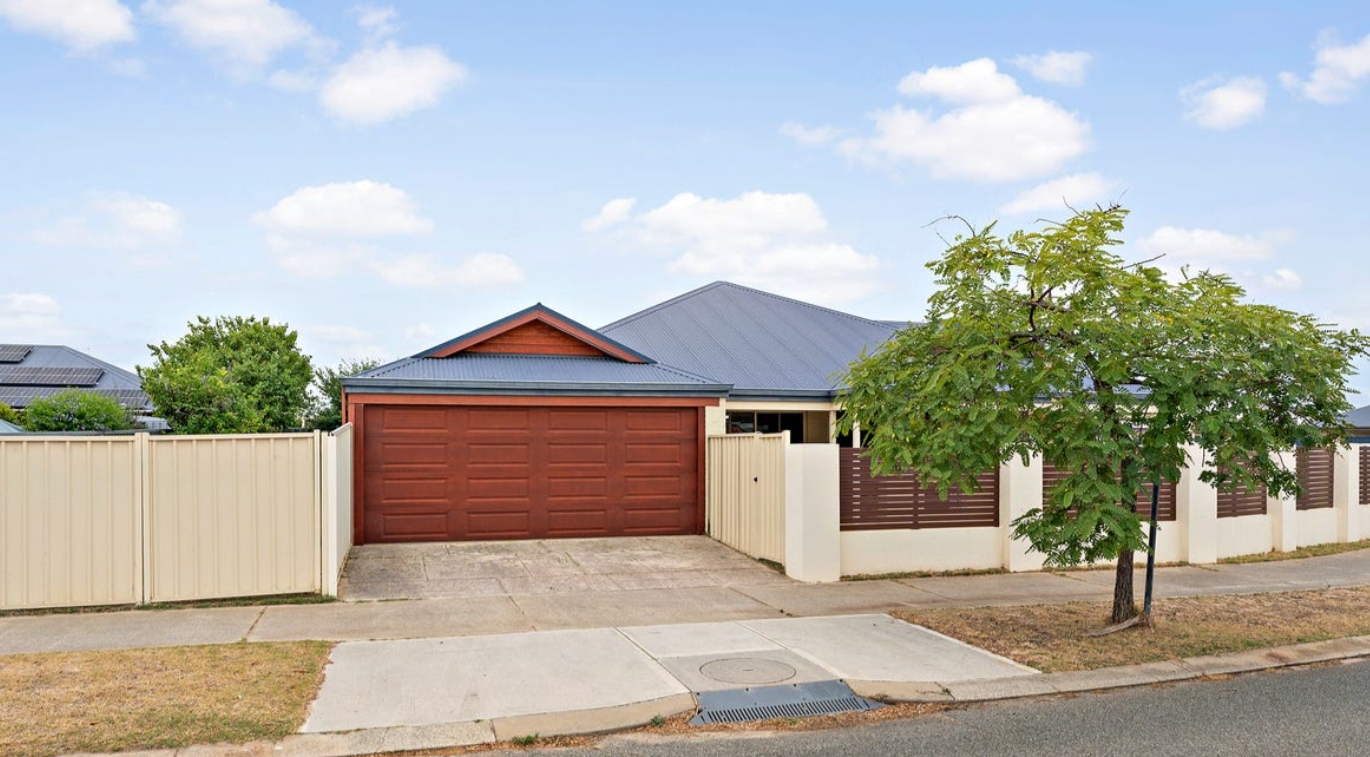
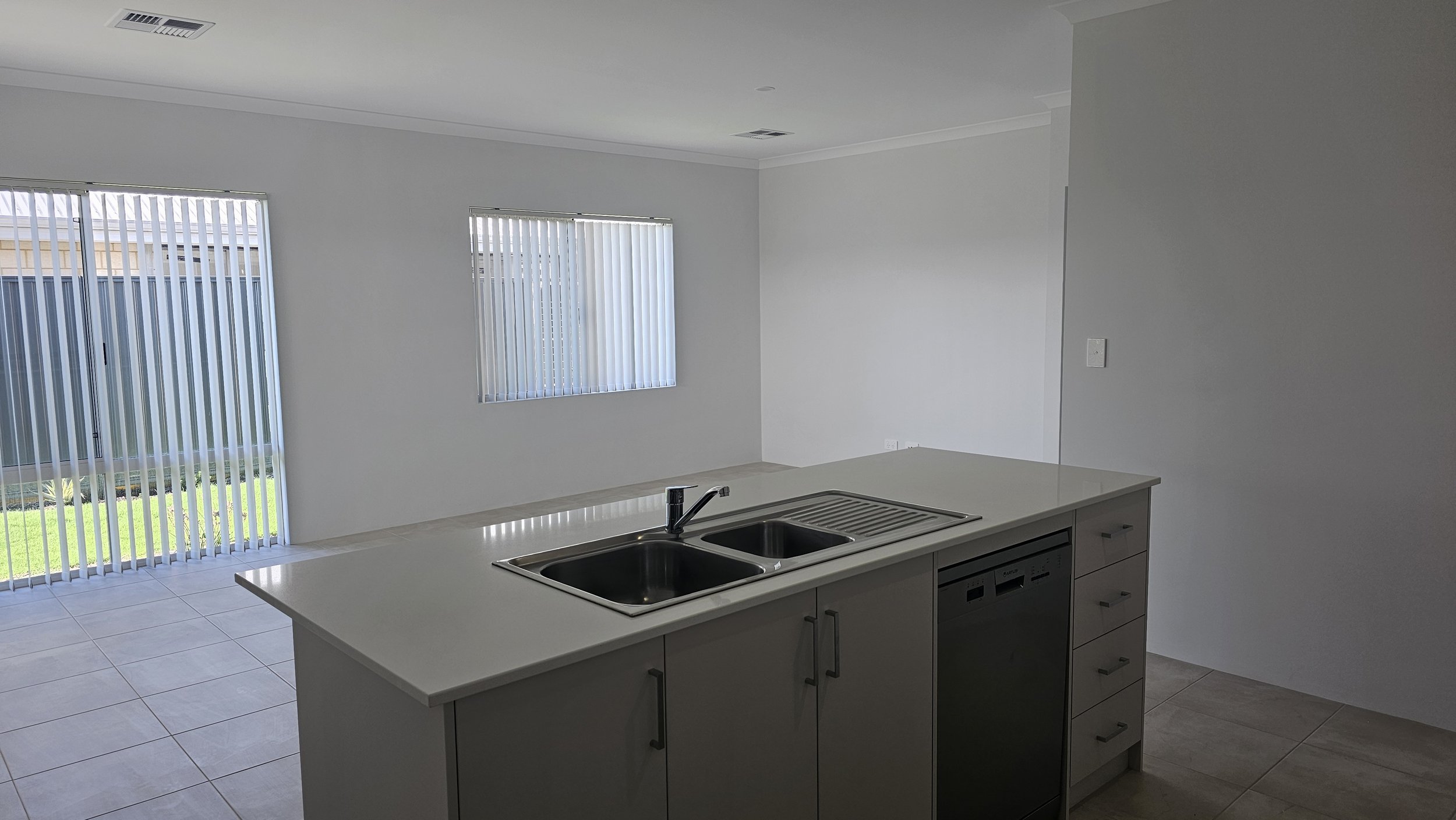
No. Inspections provide landlords with property visibility while also giving tenants another opportunity to communicate concerns about their home.
Landlords clearly benefit from receiving information about their investment.But a well-managed inspection process can also benefit tenants.
It provides another opportunity to identify maintenance, clarify concerns and communicate with the property manager.
Good inspection processes also create clearer property records, which can benefit both parties when questions about property condition arise later.
The best inspection system therefore supports the overall tenancy relationship rather than being viewed solely as a landlord monitoring exercise.
-
Preparing for a routine inspection doesn't mean transforming your home into a display property.
Focus instead on reasonable property care.
Make sure the property can be appropriately accessed and that areas included in the inspection aren't unnecessarily obstructed.
If you have pets, follow any instructions provided regarding their security during the inspection.
Most importantly, don't hide maintenance concerns because you're worried they'll reflect badly on you.
Genuine maintenance should be communicated so it can be properly assessed.
-
No. A rental property is someone's home, and routine inspections aren't about expecting display-home presentation.
This is one of the most common sources of unnecessary inspection anxiety.Normal everyday living is expected.
Furniture, children's belongings, personal possessions and the ordinary signs of someone living in a home aren't the purpose of the inspection.
There is, however, a distinction between a property looking lived in and concerns about how the property itself is being cared for.
The focus should remain on reasonable care and property condition rather than perfection.
-
Yes. Tenants should report maintenance when they become aware of it rather than waiting for the next routine inspection.
Routine inspections provide another opportunity to discuss property concerns, but they shouldn't become the primary maintenance-reporting process.If something is leaking, damaged, malfunctioning or showing signs of deterioration, early reporting gives the property manager and landlord an opportunity to respond sooner.
Waiting several weeks for an inspection can allow some problems to become more significant.
Think of routine inspections as an additional opportunity for communication, not a replacement for maintenance reporting.
-
Pets can affect how easily and safely an inspection can be carried out.
A friendly dog may still be uncomfortable with an unfamiliar person entering the property, while gates or doors may need to be opened during an inspection.
If you have pets, make sure the property manager knows about any relevant access considerations and follow the instructions provided before the inspection.
The aim is simply to keep the tenant, property manager and animals safe while allowing appropriate access.
-
If you can't attend an inspection but there's something you want the property manager to observe, communicate that beforehand through the appropriate channel.
Provide enough information to identify the issue and where it is located.
Photographs may also be useful.
However, potentially important maintenance shouldn't be left unreported until inspection day.
Use the normal maintenance process when a problem arises and treat the inspection as an additional opportunity for follow-up.
-
The final inspection is an important part of concluding the tenancy.
Rather than viewing the property in isolation, earlier condition documentation and relevant tenancy records provide context for understanding how the property has changed.
The objective isn't simply to find differences.
Properties naturally experience ordinary use and ageing.
Good documentation helps distinguish those normal changes from matters that may require further consideration.
-
The final inspection differs from a routine inspection because the tenant is returning possession of the property.
Preparation therefore involves more than simply presenting a reasonably cared-for lived-in home.
Tenants should carefully follow the vacating information supplied by their property manager, complete the required cleaning and handover tasks and make sure all personal belongings have been removed.
Addressing the process carefully can help make the conclusion of the tenancy much smoother.
-
This is one reason accurate condition documentation at the beginning of the tenancy matters so much.
Without a reliable starting point, it can be much harder to understand whether a particular mark, defect or condition was already present.
The final condition can therefore be considered alongside the initial records, inspection history, maintenance records and other relevant information accumulated during the tenancy.
Good documentation protects clarity for both landlord and tenant.
-
Not necessarily. Property condition needs to be considered in context, including normal use, ageing, deterioration and the circumstances of the tenancy.
A property doesn't remain frozen in time simply because it is rented.Paint ages, flooring experiences ordinary use and fixtures naturally deteriorate.
That's why end-of-tenancy condition shouldn't be assessed purely by identifying every difference between two sets of photographs.
The nature of the change and the surrounding circumstances matter.
Where there is disagreement about responsibility or legal obligations, the current Western Australian tenancy requirements should be considered rather than relying on assumptions.
-
he real value of inspections becomes clearer when they're viewed across the entire life of an investment property.
One inspection is a snapshot.
A consistent inspection and documentation process creates history.
That history can help landlords understand changes in property condition, recurring maintenance concerns, areas requiring future attention and how the property is performing over successive tenancies.
At Bespoke Realty WA, we see inspections as part of a larger property-management system.
Condition reporting establishes the starting point.
Tenant communication provides ongoing information.
Routine inspections provide periodic visibility.
Maintenance processes address identified concerns.
Final inspections help complete the tenancy record.
Together, these processes help owners make more informed decisions while supporting a clear and professionally managed experience for tenants.