

Moving Day – The Good, the Bad, and the Cardboard Boxes
Article by Ellen - ( Owner of Bespoke Realty WA )
Moving day is easier when you plan ahead. If you're moving between rental properties in Western Australia, organise utilities and address changes early, leave your old property clean and empty, document its condition, return all keys and remotes, complete the final inspection process
and carefully check the condition of your new home when you arrive.


There is something exciting about moving day.
A new home. A new neighbourhood. Maybe a bigger backyard, an extra bedroom or finally that kitchen you've been dreaming about.
Then there are the cardboard boxes.
So. Many. Cardboard. Boxes.
Moving house has a funny way of combining excitement, exhaustion, organisation and complete chaos into one very long day.
And if you're moving from one rental property to another, there is another layer to think about. You're not simply leaving one house and unpacking in another. You're finishing one tenancy while beginning a new one, which means inspections, cleaning, keys, condition reports, utilities, bond arrangements and a collection of small details that suddenly become rather important.
The good news?
A little preparation can make the whole experience much easier.
Moving Day: Exciting, Exhausting and Usually a Little Chaotic
Moving house often looks deceptively simple from a distance.
Pack your belongings. Put them in a truck. Drive to the new house. Unpack. Easy.
Until you discover that the kettle is in a box marked "miscellaneous", nobody knows where the phone chargers are and you suddenly remember the garage remote from the old property is still clipped to the sun visor.
The easiest moving days generally start well before the moving truck arrives.
For tenants, that preparation is particularly important because you may effectively have two properties requiring your attention at once.
Your old home needs to be properly handed back.
Your new home needs to be checked and documented.
And somewhere between the two, you need to actually move your life.
Before Moving Day: Preparation Makes Everything Easier
Start early.
A simple moving checklist can save an enormous amount of last-minute stress.
Think beyond packing.
There are utilities to disconnect or transfer, internet arrangements to make, mail to redirect and organisations that need your new address.
Your checklist might include:
electricity and gas;
internet;
insurance;
banks and financial institutions;
driver's licence and vehicle registration;
schools or childcare;
healthcare providers;
subscriptions and deliveries;
employers;
electoral enrolment;
and friends and family who might otherwise keep sending birthday cards to the wrong house.
Keep your essential moving documents somewhere accessible rather than packing them away.
If you're leaving a rental property, that includes your original Property Condition Report and any relevant correspondence with your property manager.
You'll be glad you didn't put them in Box 37.
When leaving a rental home in Western Australia, there are several formal steps associated with ending the tenancy.
The notice required depends on the type of tenancy and the circumstances in which it is ending, so tenants should make sure the correct process has been followed rather than assuming that simply reaching moving day is enough.
Once it is time to leave, the property needs to be emptied of your belongings and left in a similar condition to when you moved in, allowing for fair wear and tear. Keys and other security devices, such as garage remotes or access fobs, also need to be returned.
One of the simplest ways to make this easier is not to leave everything until the final morning.
Moving furniture often reveals things you haven't seen for years.
Dust behind the fridge.
Marks behind furniture.
That mysterious collection of objects under the sofa.
And possibly enough loose change to fund your first takeaway dinner at the new house.
Give yourself enough time to properly inspect and clean the empty property rather than trying to clean around boxes and furniture.
Moving Out of a Rental Property
Cleaning, Damage and Fair Wear and Tear
This is one of the areas where misunderstandings can arise at the end of a tenancy.
A rental property doesn't need to look as though nobody has ever lived there.
Homes naturally age.
The important distinction is between fair wear and tear from normal use over time and damage for which the tenant may be responsible.
WA Consumer Protection advises tenants to leave the home in a similar condition to when they moved in, taking fair wear and tear into account.
That's why the condition of the property at the beginning of the tenancy is so important.
And it leads us to one of the least glamorous but most valuable documents in your rental life.
Don't Forget Your Property Condition Report
Your Property Condition Report, or PCR, records the condition of the property at the beginning and end of the tenancy.
It can become important evidence if there is later disagreement about damage, maintenance or the release of the bond. WA Consumer Protection recommends tenants carefully review their incoming PCR and take photographs to support the record.
When moving out, the original report provides the starting point for comparison.
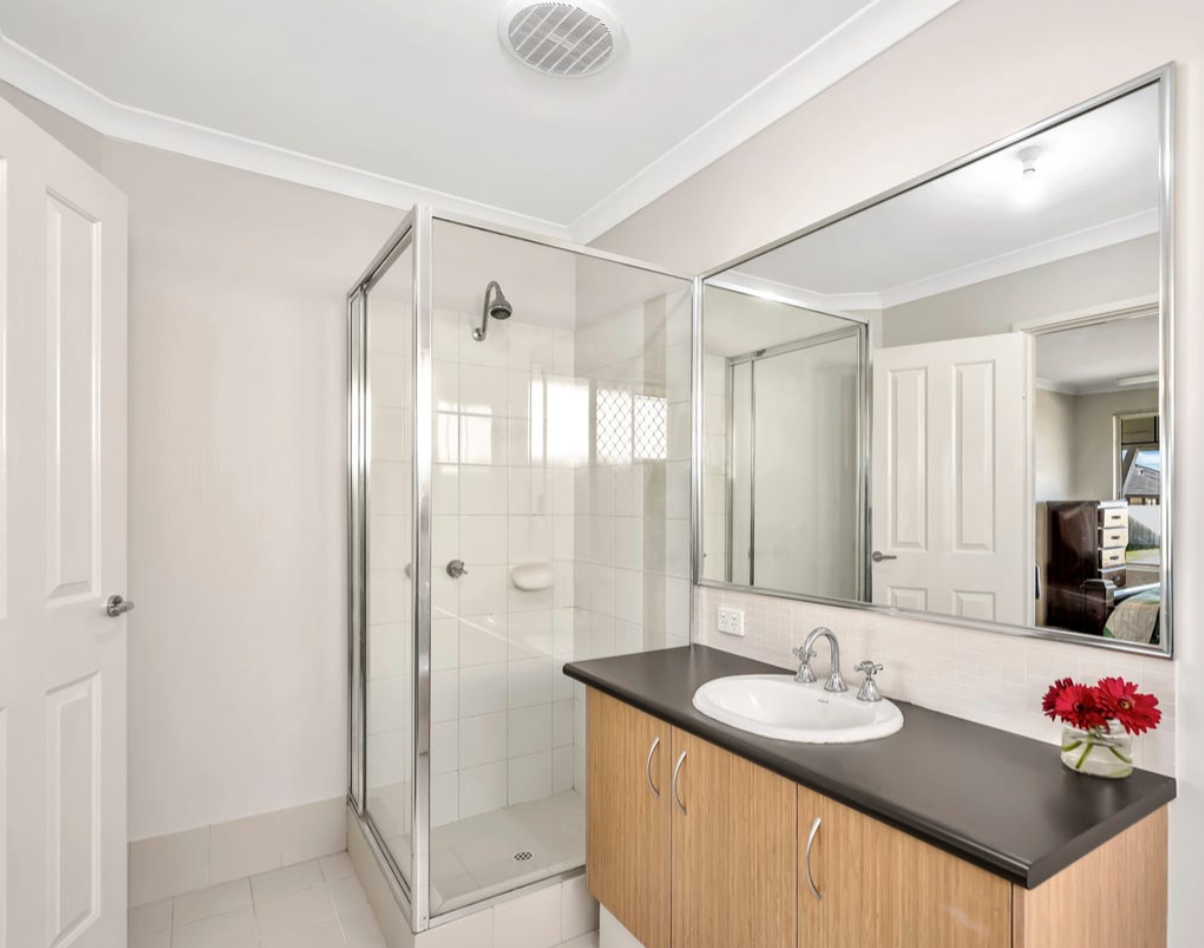
Take photographs of the empty, cleaned property before handing it back.
Photograph each room and any relevant outdoor areas, fixtures or features.
You're not doing this because you're expecting an argument.
You're simply creating a clear record.
Good documentation protects everyone.



What Happens to Your Rental Bond?
Ah, the bond.
Understandably, this is often one of the biggest concerns for tenants moving out.
A security bond is held during the tenancy and may cover certain costs when a tenant leaves, including eligible claims relating to damage or outstanding amounts.
In Western Australia, the bond release system changed in 2026. The process can now be initiated by a tenant, landlord or agent,
rather than only by the landlord or property manager.
Before applying for the bond to be released, tenants should ensure rent is paid to the end of the tenancy, the property has been vacated and cleaned, the final inspection has taken place and the outgoing Property Condition Report has been received.
And importantly, landlords cannot claim against the bond simply for fair wear and tear.
Clear communication between tenant and property manager can make the entire process much easier.
Moving Into Your New Rental Home
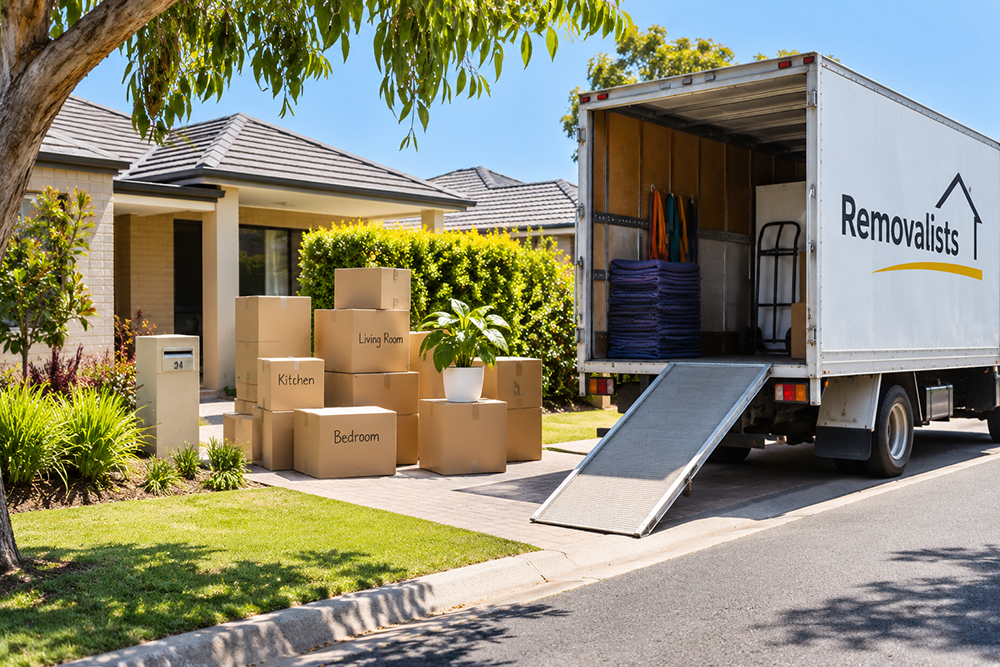
Eventually, the truck arrives at the new house.
Before you start building a cardboard-box fortress in the living room, take a few minutes to look around.
This is an important moment.
Your incoming Property Condition Report establishes the recorded condition of your new rental home.
In WA, tenants should receive two copies of the PCR within seven days of moving in. Tenants should carefully check the report, make any changes they believe are necessary, retain a copy and return the amended copy within the required timeframe. If the tenant doesn't respond within seven days, the report can be taken as accepted.
So don't rush it.
Walk through every room.
Look at walls, floors, doors, windows, cupboards, appliances, fixtures and outdoor areas.
If something is marked, scratched, damaged or not working correctly, record it.
Take photographs.
A five-minute shortcut now can become a much bigger conversation years later.
The First Few Days Matter Too
Once the boxes start disappearing, you'll begin noticing things that weren't obvious during the first walkthrough.
Maybe a cupboard hinge needs attention.
Perhaps you've discovered an appliance isn't operating properly.
Or there's something about the property you're unsure about.
Don't simply assume you'll remember it later.
Communicate with your property manager.
The relationship between tenant and property manager works best when communication happens early and clearly.
A small question is usually much easier to deal with today than six months from now.
The Property Manager's Role Behind the Scenes
Moving day isn't only a big day for the tenant.
There is plenty happening behind the scenes too.
A property manager may be coordinating the outgoing inspection, Property Condition Report, keys, bond process, communication with the owner, maintenance requirements and preparation for the property's next tenancy.
At the same time, another tenant may be preparing to collect keys and begin calling that property home.
Good property management connects those two sides.
The outgoing tenant deserves a clear and fair process.
The incoming tenant deserves a property that is properly prepared and accurately documented.
And the property owner needs confidence that their investment is being looked after throughout the transition.
That's why communication matters so much.


A Good Move Starts With Good Communication
Moving house probably won't ever be completely stress-free.
There will always be boxes.
There will probably always be one box that remains unpacked for six months.
And somebody will inevitably ask where something is approximately four seconds after you've taped the box containing it shut.
But moving between rental properties doesn't need to be confusing.
Understand what needs to happen, give yourself enough time, document the condition of both properties and communicate with your property manager.
At Bespoke Realty WA, we believe property management is about much more than properties.
It's about people.
Owners and tenants both deserve clear communication, fair processes and someone who understands that behind every tenancy is a home, an investment and usually quite a few cardboard boxes.
Our Moving Day Checklist
If your moving date is approaching, here's a simple checklist to keep somewhere other than the bottom of a cardboard box.
Your Key Takeaways
Start preparing early. Moving becomes much less stressful when utilities, address changes, cleaning and packing aren't left until the final day.
Your Property Condition Report matters at both ends of the tenancy. It provides the baseline for assessing the property's condition.
Photograph the property. Clear photographs when moving in and moving out can provide valuable supporting evidence.
Fair wear and tear isn't the same as tenant-caused damage.
Return every key, remote and access device. Small forgotten items can complicate an otherwise straightforward handover.
Don't rush your incoming inspection. Record discrepancies early rather than discovering later that they weren't documented.
Communication makes moving easier. Tell your property manager about questions or problems rather than allowing them to linger.
Property management connects both sides of moving day. One tenancy is ending while another may be beginning.
Keep important documents accessible. Don't pack everything related to your tenancy into an unidentified box.
And locate the kettle early. Some moving-day rules are universal.
Moving Day Frequently Asked Questions
-
Moving out of a rental property involves more than simply removing your belongings.
Your first step should be confirming that the tenancy has been correctly ended and that you understand the relevant dates and requirements. The amount and type of notice required can depend on the tenancy and circumstances.
Before handing the property back, remove your possessions and rubbish and clean the property so that it is in a similar condition to when the tenancy began, allowing for fair wear and tear.
Review your original Property Condition Report and compare it with the property as you're leaving it.
Photographing the empty property is also worthwhile.
Finally, collect every key and access device provided during the tenancy, including garage remotes and security fobs.
The more organised you are before moving day, the easier the final inspection and handover process is likely to be.
-
The best starting point is the condition of the property at the beginning of your tenancy.
WA Consumer Protection states that tenants are expected to leave their rental home in a similar condition to when they moved in, considering fair wear and tear from normal use over time.
That means cleaning should be thorough, but the assessment isn't simply about making an older property look brand new.
Pay attention to kitchens, bathrooms, floors, cupboards, accessible windows and outdoor areas. Remove rubbish and all personal belongings.
Your incoming Property Condition Report becomes especially useful here because it documents the original condition of the home.
Once you've finished cleaning and the property is empty, take clear photographs. This creates a useful record of how you left the home before returning possession.
-
This distinction can become important at the end of a tenancy.
A home that has been occupied for several years won't necessarily look exactly as it did on day one. Flooring, paint and other surfaces naturally age through reasonable everyday use.
That's different from damage.
The incoming and outgoing Property Condition Reports help establish the property's condition at each end of the tenancy. Consumer Protection specifically identifies these reports as important evidence when determining fair wear and tear or damage and when dealing with bond disputes.
Rather than relying on memory, both parties have a documented point of comparison.
This is another reason tenants should take their incoming PCR seriously when they first move into a property.
-
Photographs can complement the Property Condition Report and provide additional evidence of the property's condition.
Take photographs once furniture, boxes and personal belongings have been removed so that walls, floors and fixtures are clearly visible.
Consider photographing each room, major fixtures, outdoor areas and anything that may otherwise become a point of uncertainty.
Consumer Protection recommends photographs as supporting evidence alongside Property Condition Reports, and its moving-out guidance also recommends photographing the cleaned and empty property.
Don't only think about photographs when leaving.
Taking clear photographs when you first move into a rental is equally valuable because they establish the property's starting condition.
-
The final inspection provides the formal comparison between the condition of the property when the tenancy began and when it ended.
Under WA Consumer Protection guidance, the landlord must inspect the property and complete the outgoing Property Condition Report within 14 days after the tenant moves out, and a copy must be provided to the tenant.
The tenant must also be given a reasonable opportunity to attend the inspection.
The original Property Condition Report can then be compared with the outgoing report to identify any differences.
This helps distinguish normal deterioration from damage and identify issues that may need to be discussed before the bond is released.
Clear documentation and sensible communication at this stage can prevent relatively small issues becoming unnecessarily complicated.
-
Western Australia's bond release process changed in 2026.
A tenant, landlord or agent can now initiate the bond release process. This replaced the previous arrangement where only the landlord or property manager could begin the process.
Before applying for the bond release, Consumer Protection recommends that rent is paid to the end of the tenancy, the tenants have moved out, the property has been cleaned, the final inspection has taken place and the outgoing Property Condition Report has been received.
A landlord may make legitimate claims against the bond for eligible costs, such as tenant-caused damage or outstanding amounts, but fair wear and tear cannot simply be claimed as tenant damage.
Good documentation throughout the tenancy can make the process much easier for everyone.
-
t's tempting to start unpacking immediately, but spending some time documenting the property first can save considerable trouble later.
Walk through every room and compare what you see with the incoming Property Condition Report.
Look at walls, ceilings, floors, windows, doors, cupboards, fixtures, appliances and outdoor areas.
If you see scratches, marks, stains, damage or anything else that isn't accurately reflected in the report, record it.
WA tenants should receive two copies of the PCR within seven days of moving in and should return their amended copy within seven days of receiving it. If they don't respond, they can be considered to have accepted the report.
Photographs are also useful supporting evidence.
Treat the incoming inspection as part of moving in rather than paperwork you'll deal with "later."
-
Keys are easy to overlook during the chaos of moving.
Before the final handover, gather everything associated with access to the property.
That may include front and rear door keys, window keys, screen-door keys, garage remotes, gate remotes, mailbox keys and building or carpark access fobs.
WA Consumer Protection specifically requires tenants to return keys and other security devices such as garage remotes and carpark fobs when vacating.
It's worth starting a collection point for these items several days before moving rather than searching through handbags, drawers and cars at the last minute.
And yes, check the car sun visor.
That's exactly where garage remotes like to hide.
-
Utilities are one of those jobs that are easy to overlook while concentrating on boxes and removalists.
Before moving, create a list covering electricity, gas where applicable, internet and any other services associated with your current address.
Confirm when services at your old property should finish and when those at the new property should commence.
Consumer Protection's moving-out guidance recommends paying relevant bills up to the move-out date and cancelling or transferring utilities to the new address.
Internet connections can sometimes require more lead time than expected, so organising them early can help avoid arriving at your new home only to discover you'll be offline for a week.
Also remember to redirect mail and update your address with banks, insurers, subscriptions and other organisations.
-
Moving between rental properties involves several moving parts.
For an outgoing tenant there may be cleaning, documentation, a final inspection, keys and bond arrangements.
For an incoming tenant there are keys, the tenancy agreement, Property Condition Report, maintenance questions and the process of settling into a new home.
A good property manager creates clarity around those steps.
That doesn't mean moving suddenly becomes effortless, unfortunately, property managers haven't yet invented self-unpacking cardboard boxes.
It means tenants understand what's expected, owners know their property is being looked after and questions can be dealt with before they become problems.
At Bespoke Realty WA, that personal communication is an important part of the management process.
Because successful property management isn't only about looking after a building.
It's also about looking after the relationships surrounding it.
Moving Home? Let Bespoke Realty WA Help Make It Easier.
Whether you're searching for your next rental property or preparing to move, having the right support can make all the difference. From finding somewhere new to call home to understanding the moving process, a little guidance and good communication can help take some of the stress out of moving day.
At Bespoke Realty WA, Ellen understands that moving isn't just about properties, it's about people and new beginnings. If you're looking for a rental in Mandurah or the surrounding areas, or have questions about your upcoming move, get in touch with Ellen at Bespoke Realty WA.
She's always happy to help make your next move a little easier.